
Interview with Mike Walberg, Director of Business Development – U.S. Engineering
In this exclusive interview, Mike Walberg, Director of Business Development at U.S. Engineering, shares a practical, experience‑driven view on when multi‑trade prefabrication truly delivers value in data center construction - and when it falls short. He explains why early planning and design lock‑in are critical to prefab success, and how late‑stage design changes can quickly erode its advantages. Mike also highlights one of the industry’s most overlooked challenges: the failure to systematically capture and scale lessons learned across projects. Looking ahead, he explores how emerging technologies like liquid chip cooling are poised to reshape data center design, delivery models, and construction strategies across the Midwest.

At what point does multi-trade prefab actually deliver a clear advantage, and when does it not?
Planning up front is paramount. Multi-trade prefabrication delivers the most advantage when planning happens early and is coordinated with prefabrication in mind. The building has to be designed from the beginning with all parties aligned on its importance.
It also helps significantly when the project is not a one-of-a-kind build. Owners sometimes want very unique buildings, which do not work as well for prefabrication. Lessons can be learned and carried forward to future builds when there are strong similarities.
It becomes less effective when design changes or change orders are introduced late in the process, as this is detrimental to prefabrication work.
How early does design need to be locked to make prefab viable, and what risks does that create?
Locking in design early is critical to making prefab successful. Ideally, this needs to be considered at least 9–12 months ahead of execution, with clear alignment on when key design elements must be finalized. If design is not locked early enough, it creates significant risk—particularly around rework, fabrication delays, and misalignment between shop and field. Ultimately, this can lead to schedule slippage and increased costs, especially if late-stage changes disrupt prefabrication workflows.
What’s the most common mistake teams make when trying to scale prefab across projects?
One of the most common mistakes is the failure to effectively capture and communicate lessons learned from previous projects. Without a structured approach to sharing what worked and what didn’t, teams often repeat the same challenges rather than improving over time. Scaling prefab successfully requires consistent knowledge transfer, standardization, and clear communication across projects and teams.
What are you personally looking forward to learning from other sessions and speakers at Advancing Data Center Construction West 2026?
I’m particularly interested in understanding how liquid chip cooling is reshaping data center design and delivery. As compute density continues to increase, it’s critical to explore how these evolving cooling technologies are impacting infrastructure requirements, construction approaches, and long-term operational efficiency.
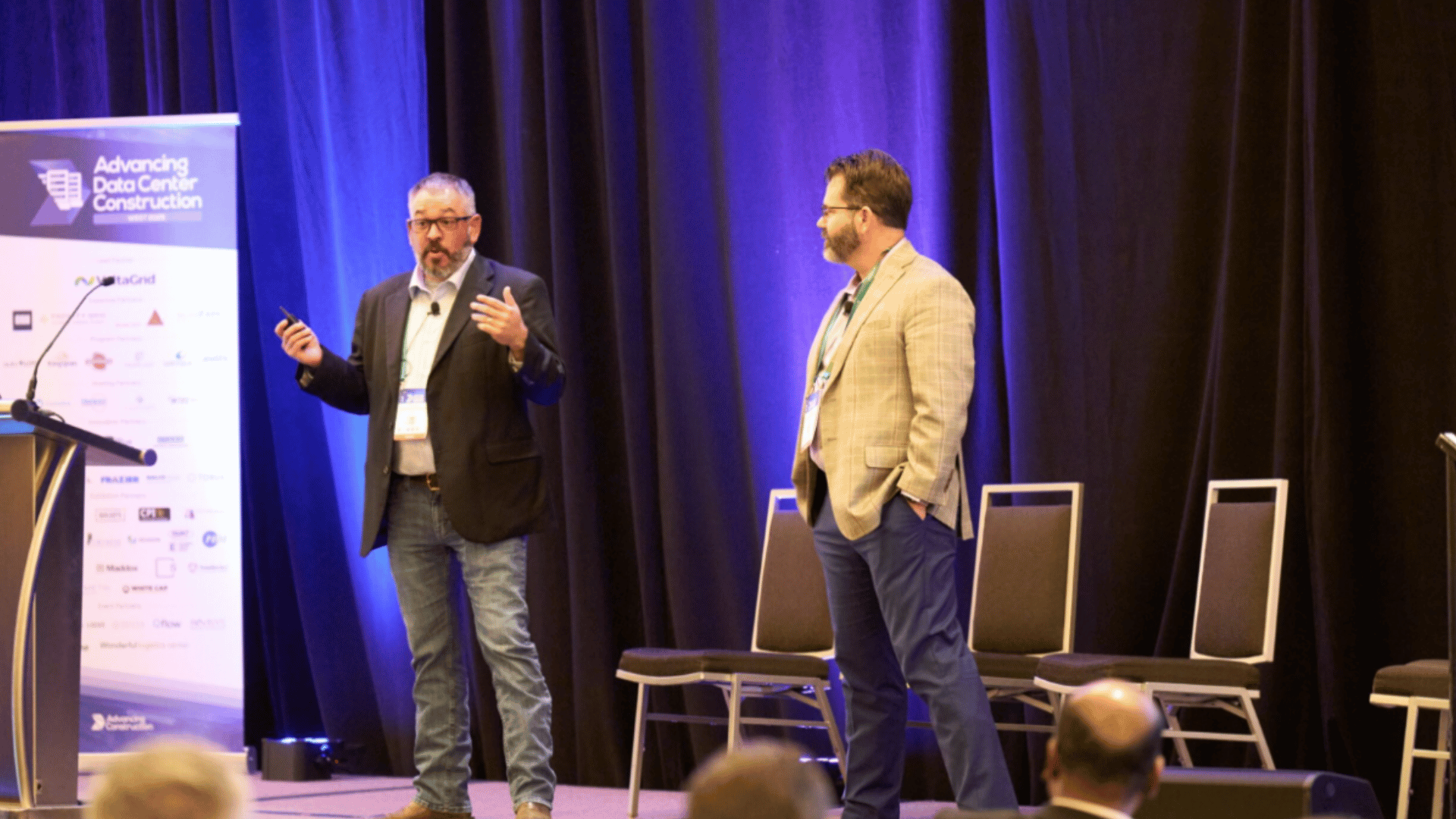
Explore the Agenda
See how leading project teams are adapting delivery strategies to keep pace with AI-driven demand, power limitations, and workforce constraints shaping data center construction across the Midwest.
Partner With Us
Position your brand at the center of Midwest data center construction and connect directly with the firms delivering the region’s largest projects.
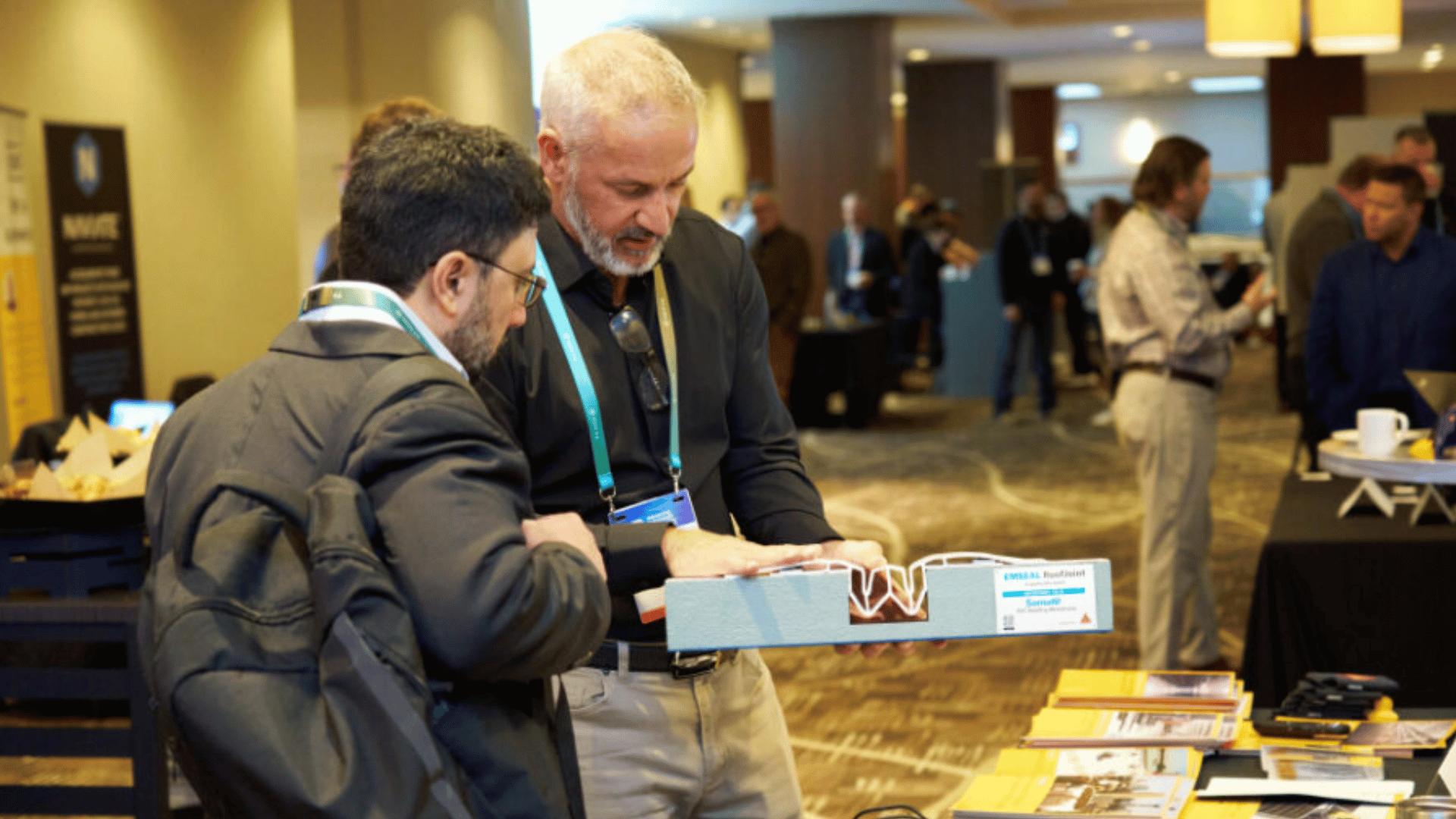
Join Industry Leaders
Build relationships with the hyperscalers, colocators, developers, contractors and trade partners shaping the next wave of AI-ready infrastructure.